

02
Oli Vibrators and Flow Equipments
OLI vibrators and flow equipment are used in industrial processes to support the conveying, feeding, classification and handling of materials. By generating controlled vibration or impact, these products can help equipment operate more consistently and assist the movement of material through different stages of a process.
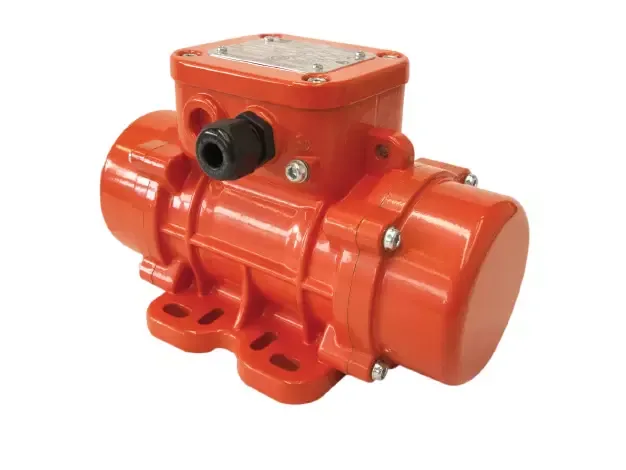
Gallery
The OLI vibration and flow equipment range.
Technical overview
The OLI range includes solutions based on electric, pneumatic and other vibration technologies, allowing different equipment types and operating requirements to be addressed. Vibratory equipment is used across applications such as mining, construction materials, recycling, food processing and other manufacturing environments where reliable material movement is important.
What is a Vibration Motor? What Does It Do?
A vibration motor is a device designed to create mechanical vibration for industrial equipment. The vibration it generates can be used to assist material conveying, feeding, compacting, screening, classification and other handling processes.
When fitted to machinery or process equipment, vibration helps transmit mechanical energy into the structure and the material being handled. Depending on the application, this movement can encourage material to travel along a feeder, improve discharge from a hopper, support screening or classification, assist compaction, or reduce conditions that cause material to remain stationary.
Vibration motors are available with different operating principles. Among the most common are electric vibration motors, which generate vibration through rotating eccentric masses, and pneumatic vibration equipment, which uses compressed air to produce vibration or impact.
Electric Vibration Motors
Electric vibration motors use electrical power to generate mechanical vibration. In a typical design, an electric motor rotates eccentric or unbalanced masses. As these masses rotate, centrifugal force is produced and transferred to the machine or structure on which the vibrator is installed.
Different motor sizes and configurations allow electric vibrators to be used on a variety of industrial equipment. They can be integrated with feeders and other material-handling systems where controlled vibration is required. Electric vibration technology is also used in equipment associated with compaction and construction applications.
The appropriate vibration motor depends on the equipment, the required vibration effect and the conditions in which the system operates. Selecting the correct configuration allows the generated centrifugal force to be matched more closely to the process requirement.
Pneumatic Vibration Motors
Pneumatic vibration equipment operates using compressed air. Depending on the vibrator design, vibration or impact can be produced through the movement of internal components such as pistons, balls, rollers or turbines.
These units are used in applications such as assisting material movement on conveyors, improving flow through hoppers, supporting feeding and classification processes, and helping to prevent material from forming blockages. Pneumatic vibration can also be useful where repeated mechanical action is needed to encourage material to move through a process or discharge point.
The OLI range includes several pneumatic technologies intended for different operating conditions and required vibration characteristics. This allows pneumatic flow-assistance equipment to be selected according to the material, machinery and process in which it will be installed.
OLI vibration equipment is used across industries including mining, building-material production, food processing, chemical processing and other industrial material-handling applications.
Advantages of Oli Vibration Motors
OLI vibration motors provide a flexible way to introduce controlled vibration into industrial equipment and material-handling processes. Different product types, sizes and operating principles allow vibration equipment to be selected according to the requirements of a particular machine or application.
- Suitable options for demanding industrial applications.
- Vibration can support faster and more consistent material-handling processes.
- Low-noise solutions are available for applications where operating sound is an important consideration.
- Mechanised vibration can reduce the need for manual intervention when assisting material flow.
- Products are designed for use in industrial operating environments.
- Reliable vibration can help reduce process interruptions associated with poor material movement.
- Different configurations allow equipment to be matched to specific application requirements.
Durable construction and application-specific selection can also support long service life and reduced maintenance requirements. Rather than treating vibration equipment as a single standard solution, the appropriate motor or vibrator should be selected according to the required force, equipment design, operating environment and material-handling duty.
For assistance with selecting suitable OLI vibration and flow equipment for your application, contact the ADNA TECH team with details of the machinery, process and material involved.
