

11
Pipe Connections
Pipe connections are used to join sections of industrial piping and help maintain a continuous, secure path through a conveying or process system. The correct connection depends on pipe dimensions, geometry, installation method, operating conditions and the material moving through the line. Couplings and elbows are particularly important where pipe sections must be joined, redirected or protected against wear.
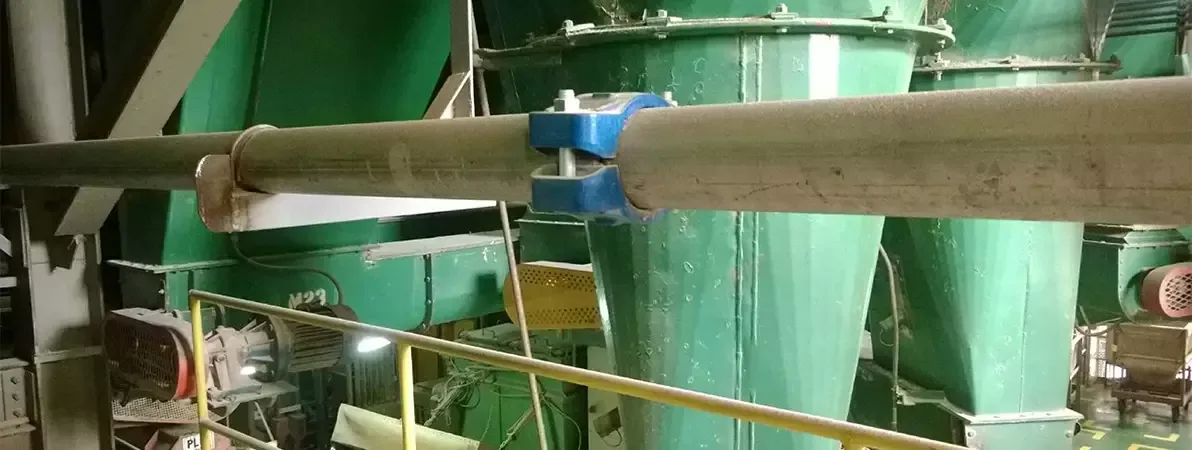
Gallery
Couplings, anti-wear elbows and wire radius pipe elbows.
Technical overview
What Do Pipe Connections Do?
Pipe connections bring separate pipe sections together so that a pipeline can operate as one continuous system. They are used wherever pipes need to be joined, redirected, extended or connected to another part of the process.
A correctly selected connection helps maintain mechanical integrity at the joint and supports consistent transfer through the pipeline. The required fitting depends on factors such as pipe diameter, connection method, alignment and the angle or direction required by the installation.
In industrial conveying systems, pipe connections may also be required at locations exposed to repeated mechanical stress or abrasion. Wear-resistant elbows, for example, are used where the direction of the conveyed material changes and particular areas of the pipe may be exposed to increased wear.
How Do Pipe Connections Work?
The way a pipe connection works depends on the type of component being used. Couplings join two pipe ends and keep them securely aligned, while elbows change the direction of the pipeline and guide the conveyed material through a bend.
Connection methods vary according to the design of the fitting and the pipe system. Mechanical couplings can use fastening components to secure pipe ends together, while other types of fittings may use welded, flanged or threaded connections where appropriate.
The purpose of the connection is to maintain a stable path between the pipe sections while supporting the mechanical requirements of the system. In installations carrying abrasive powders or granular materials, the geometry and construction of bends are especially important because a change in direction can concentrate wear on particular areas of the pipeline.
Where are Pipe Connections Used?
Pipe connections are used throughout industrial piping and conveying systems wherever separate sections must be joined or the route of a pipeline must change.
Typical applications include pneumatic conveying systems, bulk-material transfer lines, process piping and connections between pipes and industrial equipment. Selection depends on the material being transferred, pipe arrangement and the mechanical or wear conditions at the installation point.
Common functions of pipe connections include:
- Joining separate pipe sections securely.
- Changing the direction of a pipeline.
- Creating branches within a piping system.
- Maintaining alignment between connected sections.
- Supporting installation, maintenance, modification and replacement work.
- Helping reduce leakage or material loss at connection points.
- Providing wear-resistant solutions where abrasive material passes through bends.
The correct connection should be selected for the actual operating duty, especially where powders or granular products are conveyed under conditions that can cause significant wear.
Pipe Connections Types
Many types of fittings can be used in piping systems according to the function required.
Reducers are used where pipes of different diameters must be connected. Their geometry provides a transition between the two pipe sizes.
Tees are used where a pipeline needs to branch so that flow can be directed towards more than one route.
Elbows allow the line to change direction and are among the most common fittings used in pipe installations. In bulk-material conveying systems, the design of the elbow is particularly important where abrasive products pass through the bend.
Flanges provide a connection between pipeline components and can be used where parts must be assembled, separated or maintained.
Nipples are short connecting elements that may be threaded or otherwise configured according to the piping system.
Couplings join two pipe ends along the same line and provide a mechanical connection between the sections.
For the industrial product range represented on this page, the principal focus is on pipe couplings and specialised elbows for material-conveying applications.
Pipe Connections Models
The correct pipe-connection model should be selected according to the required function, pipe dimensions, conveying layout and characteristics of the material passing through the system.
GT Pipe Couplings are designed to join pipe ends securely and maintain continuity through the pipeline. The coupling must be matched to the dimensions and mechanical requirements of the pipe installation.
Extrabend Anti-Wear Pipe Elbows are intended for conveying-line sections where the material changes direction and resistance to wear is an important consideration. They provide an elbow solution for applications where conventional bends may be exposed to significant abrasion.
Extracurve Wire Radius Pipe Elbows provide another elbow option for directional changes within conveying systems. Selection between different elbow designs should be based on the pipeline geometry, material characteristics and expected operating conditions.
The appropriate connection should therefore be determined as part of the complete conveying system rather than selected only by nominal pipe size.
Pipe Connections Prices
Pipe-connection prices vary according to the component type, dimensions, construction, wear requirements and the installation for which the product is selected. A pipe coupling and a wear-resistant elbow perform different functions and may require different materials and manufacturing methods.
Pipeline geometry, pipe diameter, conveyed material and expected operating conditions can all influence the required specification. In abrasive conveying applications, suitability for the material and expected service conditions should be considered together with purchase cost.
For current pricing and assistance with selecting GT Pipe Couplings, Extrabend Anti-Wear Pipe Elbows or Extracurve Wire Radius Pipe Elbows, contact the ADNA TECH team with details of the pipeline, material and application.
